
Interior Design Color Palette: How to Create a Warm, Colorful Home That Still Feels Calm
Soft color inspiration for creating rooms that feel layered, comforting, and winter-cozy.
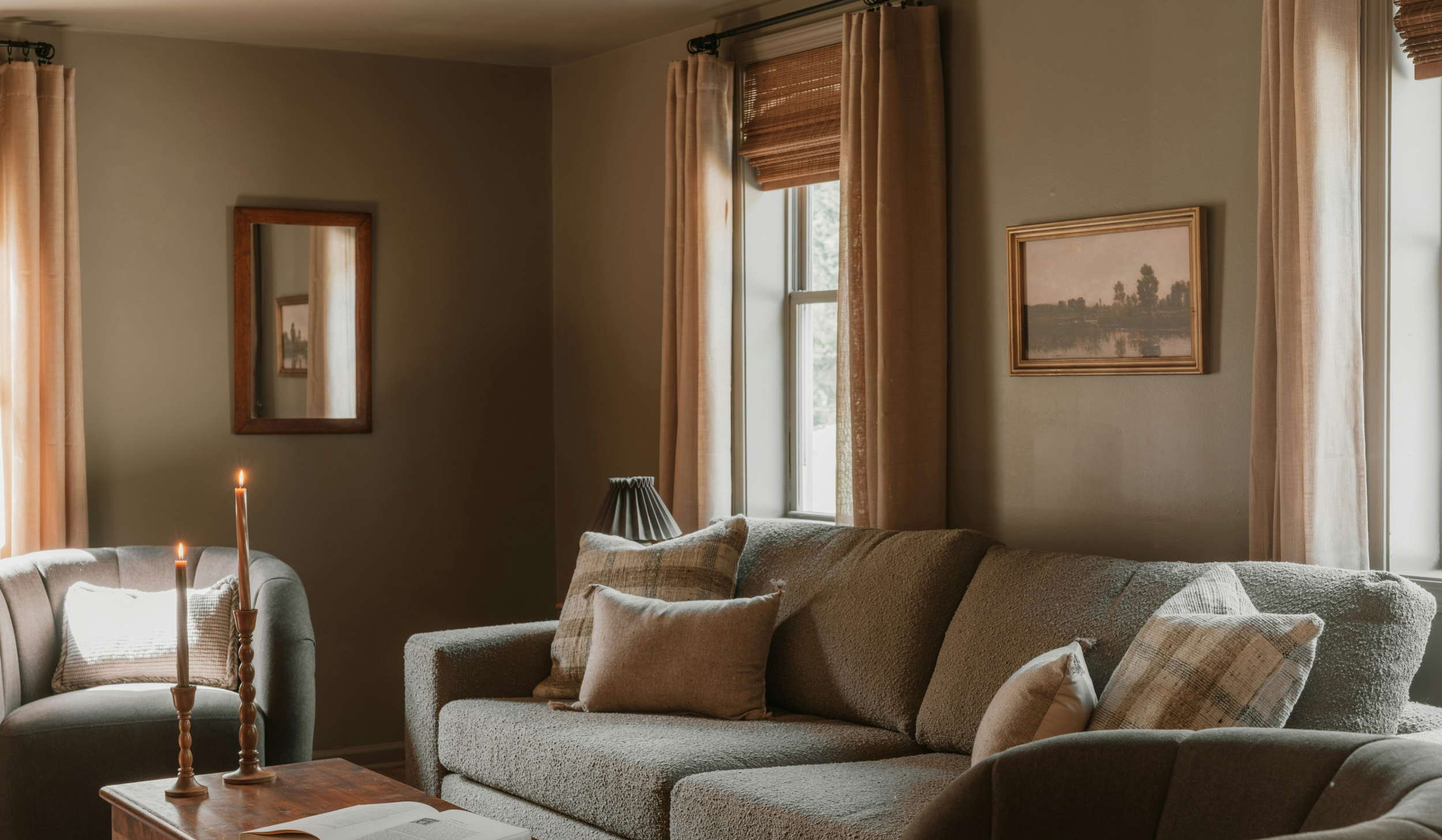
Every time I stop scrolling on Pinterest lately, it is because of one thing: color. Not the loud kind, not the teal accent wall or the highlighter yellow island, but the quiet, layered kind that makes you feel something.
That is the secret most homeowners miss when building an interior design color palette. Muted color does not drain your space. It deepens it. It is what turns builder basic into warm, lived in, and layered.
If you have been craving a cozy, colorful home that still feels calm, this one is for you.
We’ll walk through…
→ Why muted color works
→ How to use it
→ And which shades will make your space feel like a deep exhale
Let’s dive in.
Why Muted Color Works So Well
Color adds soul. It gives your home mood, texture, and contrast, even when the tones are soft. The right cozy paint colors do not shout for attention. They whisper in layers.
Muted tones are incredibly versatile because they shift with the light. A cloudy morning might make them feel cool and quiet, while evening sun brings warmth and richness. That’s why they work beautifully in real homes where the lighting, people, and daily chaos are always changing.
These hues are often inspired by nature: olive leaves, river stone, clay soil, dark wood, and aged brass. When your colors come from natural references, they automatically feel timeless.
Muted color is the secret to creating calm, cozy interior design color palettes. Soft enough to relax you, rich enough to keep you intrigued.
Moody Blue Gray: The Calm Chameleon
This color is like that one friend who looks good in every single photo. A soft slate blue that shifts with the light, stormy in the morning and tranquil in the evening.
HOW TO USE IT:
Great for smaller spaces like bathrooms, laundry rooms, or entryways where you want instant calm. Pair with brass hardware, off white marble, or natural wood for balance. Perfect if you want personality-infused interior design with paint colors that feel polished without being too bold.
Olive Green: The New Neutral
Earthy, grounded, and elegant, muted green paint colors like olive have become my go-to for kitchens and built-ins. They’re enduring, cozy, and elevated without trying hard or competing with the rest of the home.
HOW TO USE IT:
Try it on lower cabinets or an island to anchor the room. Pair with veined marble, aged brass, or white oak floors. Olive green plays nicely with both warm and cool tones, which makes it shockingly easy to live with long-term.
📖 RELATED: If you love this color, you may want to read my post Timeless Kitchen Design: Creating a Space That Ages Gracefully. It is full of ways to make these earthy tones feel intentional, not trendy.
Mushroom Taupe: The Cozy Connector
Not quite gray, not quite brown, mushroom taupe is the unsung hero of the interior design color palette world. It is the shade that connects your rooms without making everything feel too matchy.
HOW TO USE IT:
Great for hallways, entryways, or open concept spaces where you want softness and cohesion. It looks especially beautiful with cream trim, antique wood, and matte black accents. Think of it as the cozy knit sweater of paint colors: comfortable, cozy, and goes with everything.
Rusty Red Brown: The Soulful Statement
Warm, moody, and full of personality, this color adds depth without taking over. It is the visual equivalent of candlelight, bold enough to feel special but grounded enough to live with every day.
HOW TO USE IT:
Perfect for dining rooms or home offices. Pair with soft white ceilings, dark wood furniture, and linen curtains. It makes any movie night, dinner, or deep conversation feel a little more intentional.
Buttery Mustard: The Quiet Optimist
Forget the bright yellows of the past. Buttery mustard is warm, soft, and sophisticated. Think sunlight filtered through a linen curtain.
HOW TO USE IT:
Paint it on cabinetry or interior doors for small pockets of charm. It pairs beautifully with natural wood and marble, adding character without overwhelming the space. This should be on every cozy paint colors shortlist.
Dusty Mauve: The Romantic Neutral
Here is proof that pink can be grown-up. This muted mauve shade has warmth, depth, and just the right amount of mood.
HOW TO USE IT:
Perfect for bedrooms, reading nooks, or little corners that need softness. Pair with walnut furniture, rust toned textiles, and ivory bedding for a layered, calming palette. It is a great choice if you want color without going full feminine.
Chocolate Brown: The Understated Luxury
Rich, grounding, and timeless, chocolate brown is having a quiet comeback. It feels luxurious without feeling formal.
HOW TO USE IT:
Try it on walls or millwork in spaces with lots of natural light. Pair with cream trim, terracotta pottery, and greenery for contrast. It plays beautifully with olive or muted green paint colors for an earthy palette that feels expensive without being showy or over-the-top.
Deep Forest Green: The Confident Classic
This is the color you choose when you’re ready to take an itty bitty risk. Deep forest green definitely brings the drama, but it stays soft enough to feel classic.
HOW TO USE IT:
Perfect for living rooms, libraries, or anywhere you want a moody, collected feel. Pair with tan leather, marble accents, or brass fixtures for a high-end look that is still lived-in and welcoming.
📖 RELATED: If rich tones like this speak to you, take a peek at my post Bold Marble Countertops: 3 Statement Stones That Steal the Show. It is full of ways to pair dramatic color with equally striking materials.
How to Layer Muted Colors Like a Designer
Color works best in context. It is not about highlighting one shade. It’s about cultivating a relationship between them.
Here is the simple formula:
1. Choose one main color
Use it on walls or cabinets, then echo it through wood, fabric, or metal.
2. Keep undertones consistent
Warm colors like rust, mustard, and olive love brass and oak. Cool colors like blue gray or mauve love marble and brushed nickel.
3. Repeat colors intentionally
Small accents, like a vase, a rug border, or artwork, can pull everything together.
Once you understand this rhythm, mixing colors becomes intuitive instead of intimidating.
Muted color is not about being bold for the sake of bold. It’s about choosing shades that feel like you.
The calm tones you are drawn to are usually the ones your home is asking for, too. So, as the winter light starts to settle in and everything feels a little quieter, give yourself permission to bring in color that feels like comfort. Try it on a small wall, a bathroom vanity, a cabinet door. Remember, you don’t have to reinvent your house to make it feel just a little bit warmer, more lived-in, and more special.
Ready to skip the guesswork and choose cozy paint colors with confidence?
Look, choosing paint shouldn’t feel like an emotional rollercoaster. But when every sample dries differently and your walls keep playing tricks on you, it’s enough to make anyone freeze.
If you want warm, cozy, calm colors without trial and error, I’ve made it super simple for you.
My Paint Color Playbooks give you instant, designer-approved clarity. Curated palettes, undertone notes you’ll actually understand, and real lighting guidance so you know how each color behaves before you commit.
Think of it as having a designer in the room with you, saying, “Yep… that one. That’s your color.”