
The unglamorous part of the job that makes everything after it work
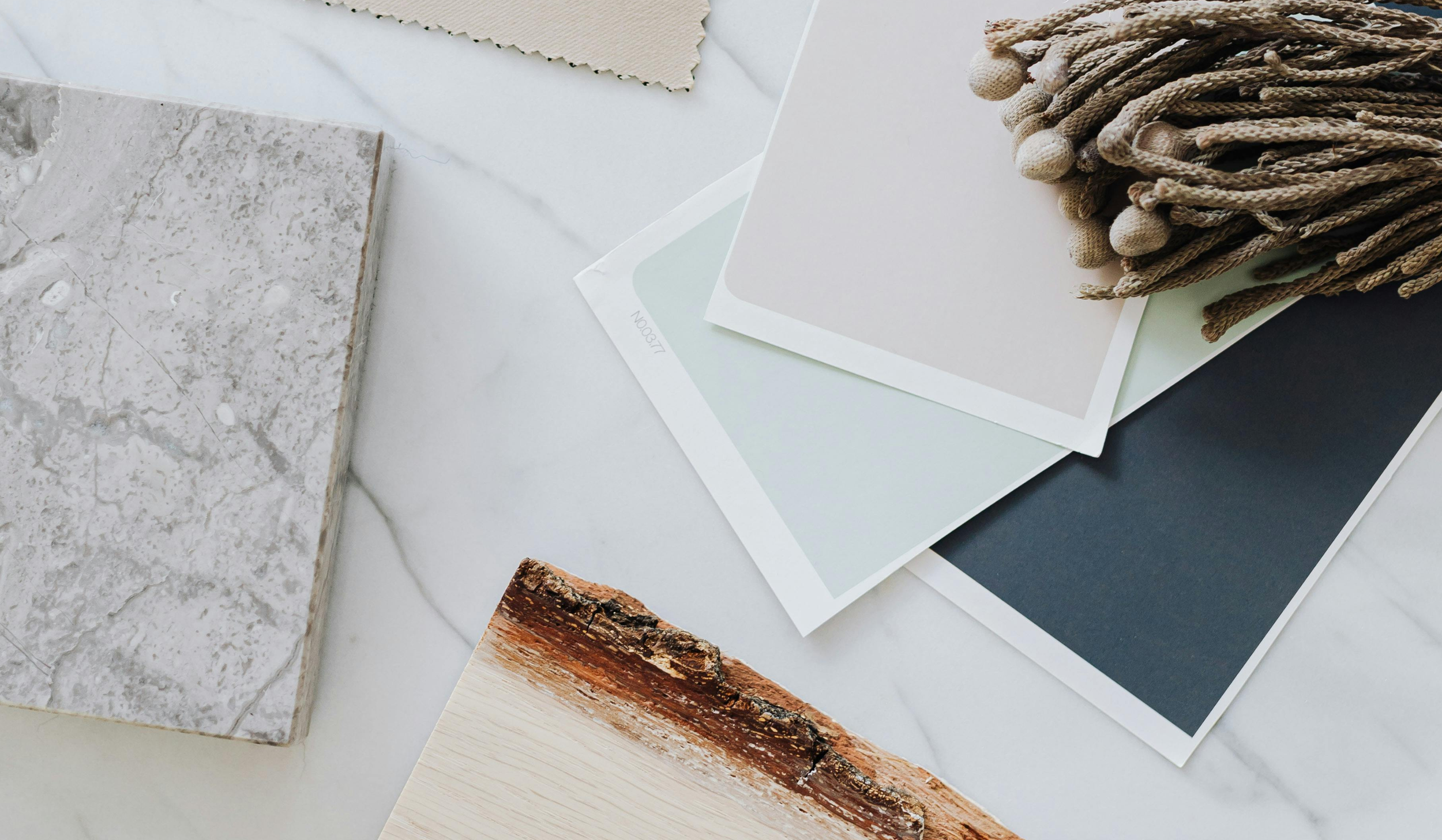
There are a lot of glamorous moments in the interior design process.
⭐Picking the perfect tile.
⭐Styling the final reveal.
⭐Watching a client walk into their finished kitchen and audibly gasp.
This isn't one of those moments: me, on the floor of a framed-out, unfinished room, tape measure in hand, checking the same measurement three times before a single finish gets chosen.
But this unglamorous moment is exactly what you're actually paying for when you hire an interior designer. A real day on the job rarely looks like a mood board. It looks like measuring, testing, and solving problems nobody will ever notice once the photos get taken. Here's an honest look at what the interior design process actually involves, and why it has almost nothing to do with picking pretty things.
What Interior Designers Do (Before Anyone Sees a Mood Board)
Here's what people imagine when they picture hiring an interior designer: flipping through fabric swatches, choosing a paint color, or making a Pinterest board come to life. And sure, that's part of it eventually.
But what interior designers do most of the time looks nothing like that.
It looks like…
standing in a gutted kitchen with a laptop balanced on a paint bucket, double-checking that the dishwasher door won't hit the island when it's open.
measuring the distance between the stove and the sink for the fourth time because the contractor moved a wall two inches and nobody mentioned it.
Sitting cross-legged on plywood subfloor, running the numbers on whether a 36-inch fridge will actually fit once the trim goes in.
None of that makes it onto Instagram. All of it is the reason your finished space works instead of just looking like it should. If you're weighing whether hiring an interior designer is worth it, this is the part to pay attention to. The pretty stuff is easy to find on your own. The problem-solving underneath it is not.
The 5 Phases of the Interior Design Process
Every project, no matter the size, moves through the same interior design process. Skip a phase, and you'll feel it later, usually in the form of a cabinet that doesn't fit or an outlet in the wrong spot.
Discovery and planning.
This is where I learn how you actually live. Not how you want to live for the Pinterest board, the real version: where the dog sleeps, who unloads the dishwasher, whether you host Thanksgiving for twenty or keep things quiet. I take measurements of the existing space and figure out what we're actually working with.
Layout and space planning.
Before a single finish gets discussed, we solve traffic flow, clearances, door swings, and functional zones. Great design starts here, even though it's the part nobody photographs.
Technical coordination.
I check that the plumbing, electrical, and structural details on paper match what's actually happening behind the walls. The drawing says the vent stack is here, but the framer put it two feet over, and someone has to catch that before it becomes a problem.
Material and finish selection.
This is the part most people associate with hiring an interior designer: the tile, the cabinetry, the paint colors. It's genuinely fun. It's also the phase that only works if the first three actually got solved.
Installation and styling.
The reveal-ready part. The part everyone sees on social media. But it's built entirely on the invisible work that came before it, and it shows. A styled shelf can't fix a layout that doesn't work.
Five phases, and only one of them is the part most people think they're paying for.
📖 RELATED: Cabinetry is usually the biggest line item in that fourth phase, and one of the easiest to get wrong. Read 5 Must-Ask Questions for Your Cabinet Maker (Before You Sign Anything) before it’s too late.
Why Hiring an Interior Designer Means Solving the Layout First
Paint colors, tile, cabinetry, furniture: none of it gets chosen until the layout is locked. That's not me being precious about process. Layout decisions are almost impossible to undo once construction starts, and finish decisions are (relatively) easy to change.
Solving the layout means walking through traffic flow: can two people actually cook together without doing the kitchen shuffle every thirty seconds? It means checking sightlines, so you're not staring at a toilet from your dining table. It means confirming door swings won't clip a drawer, that the hallway meets code width, that the island leaves enough room for stools and a stroller and whatever else moves through your kitchen on a Tuesday.
Skip this step, fall in love with a backsplash before the layout is settled, and you'll likely end up redoing something expensive. I've watched homeowners spend thousands moving a wall they didn't need to move, simply because nobody solved the layout before the pretty stuff got chosen. Hiring an interior designer early enough to catch this before it happens is, frankly, the cheapest part of the whole project.
A Day in the Life of the Interior Design Process
Some days, this job looks like walking a framed-out space with construction drawings in one hand and a tape measure in the other, checking that what actually got built matches what we planned on paper. It rarely does, not perfectly, and catching the gap before drywall goes up saves everyone a very expensive conversation later.
These are the hours that never make it into a portfolio. Exposed studs. Plywood subfloor. A laptop balanced on an overturned bucket because there's nowhere else to put it. It's the least designed-looking part of the interior design process, and it's the part that determines whether everything after it actually holds up.
Nobody puts this on a vision board. I wouldn't either. But I'd rather spend an afternoon on my knees with a tape measure than watch a client discover, six months later, that the pantry door doesn't actually open all the way.
What This Has to Do With Luxury Home Designs
Luxury home designs are built on exactly the same unglamorous groundwork. The kind of space that makes you want to pour a glass of wine and just stand in it doesn't happen because someone had great taste in tile. It happens because someone solved the layout, coordinated every trade, and caught the small stuff before it got expensive.
The most beautiful kitchens I've worked on all started with hours of measuring and problem-solving that nobody will ever see in the after photos. That's true whether the budget is modest or the finishes are top of the line. Luxury home designs aren't luxurious because of what they skip. They're luxurious because of what got solved before anyone picked a single finish.
That's also why I'm pickier about trends than people expect. I wrote about this in 5 Interior Design "Trends" I'm Loving Right Now (That Won't Feel Dated Next Year), but the short version is: the same thinking that makes a layout hold up in five years is what makes a finish choice hold up in five years. It's never about chasing what's popular. It's about choosing what actually fits your space.
This is the part of the interior design process I wish more people got to see. Not the styled shelves, not the paint swatches, but me on the floor with a tape measure, making sure every inch works the way it's supposed to. The best designs don't happen by accident. They happen because someone measured, tested, and thought through every detail long before it was pretty enough to photograph. That's what you're actually paying for when you hire a designer, whether it's Full Service Design for your whole home or just one stubborn kitchen, and it's the part that matters most.
FREE RESOURCE: Get Your Layout Right Before You Choose a Single Finish
If you're eyeing tile or cabinetry before anyone's actually solved your layout, hit pause. It's the fastest way to end up redoing something expensive.
⭐ Grab my reno guide → Before You Renovate: Every Homeowner Should Know the Top 7 Mistakes to Avoid
Inside, you'll learn:
Why layout always comes before finishes (and what happens when you get it backwards)
How to design for the way you actually live, not just the way a room photograph)
When to bring in a designer (it's much earlier than most people think)
Whatever's stressing you out about this renovation, let's just solve it together.

About Taylor Ferrell: San Luis Obispo Interior Design
Taylor Ferrell is the founder of SALT Design Co., an interior design studio helping homeowners build spaces that function as well as they look, serving California and virtually nationwide. She leads with cabinetry and layout because that's the backbone of every good design. Curious what your space needs? Book a casual Zoom with Taylor and find out.