
Stainless Steel Kitchen Trend: Why It's Showing Up on Countertops, Islands, and Beyond
A designer's observation on where materials are naturally evolving
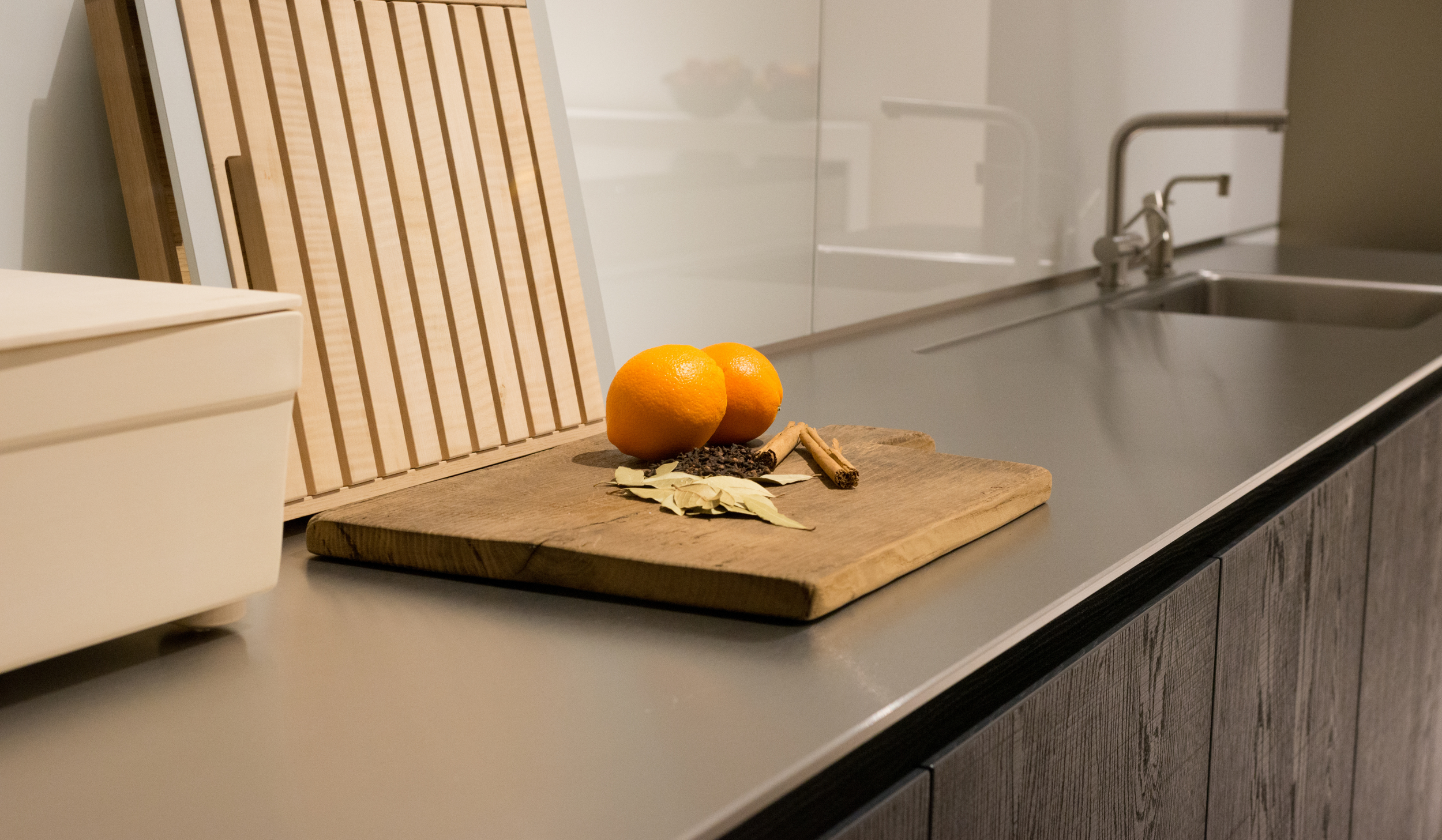
Stainless steel kitchen design used to mean one thing: appliances.
A refrigerator, a range, maybe a hood. That was it. But that's changing fast. The stainless steel kitchen trend is showing up in countertops, cabinetry, lighting, dining furniture, and small utilitarian details that go far beyond the fridge.
I don't usually chase trends, but this one is too obvious to ignore. Here's where stainless steel is expanding in kitchen and dining design, why it's happening now, and how to use it without your space feeling like a commercial restaurant kitchen.
It's also a good look at what interior designers do differently: we notice these shifts before they hit the mainstream, and we understand why they're happening.
Understanding the Stainless Steel Kitchen Trend
I get it if stainless steel has felt cold or overly industrial to you before.
That reputation came from professional kitchens and that very sterile, all-metal aesthetic. But this new wave of stainless steel kitchen design feels different because it's being used intentionally, mixed thoughtfully, and allowed to show its age instead of fighting it.
When stainless steel is treated as a design choice rather than just a practical one, it reads completely differently. It becomes something you're choosing for how it looks and how it moves through light, not just because it wipes clean easily.
Where the Stainless Steel Kitchen Trend Is Showing Up Now
Stainless Steel Countertop Kitchen Island
Once reserved for professional kitchens, stainless steel countertops are moving into residential spaces as islands and focal points.
They're extremely durable. Heat and stain resistant. And here's the thing nobody talks about: they age beautifully with a patina that actually adds character over time instead of making the surface look damaged.
A stainless steel countertop kitchen island works especially well as a functional, sculptural centerpiece. It catches light differently throughout the day. It's honest about being a working surface, not pretending to be something decorative.
Cabinetry
Stainless steel cabinet fronts or panels are showing up more often, sometimes mixed with wood for warmth and contrast.
It reads as sleek and architectural, not sterile, when paired thoughtfully with other materials. The key is that it's usually not the only thing you're seeing. It's balanced with warmth.
Lighting
Stainless steel sconces and fixtures add a hard-edged, industrial detail that works as an accent against warmer materials like wood, stone, or plaster.
Dining tables
The stainless steel kitchen trend is expanding into adjacent living spaces now. Stainless steel dining tables or table bases, sometimes paired with wood tops, bring the material out of the kitchen and create visual cohesion across rooms.
Industrial details
Exposed knife strips or magnetic knife rails. Metal strapping on shelving or furniture. These utilitarian, honest details feel purposeful rather than decorative. They're not hiding anything, and that's becoming more appealing than it ever was.
Why It Becomes the Art in the Kitchen
Stainless steel is highly reflective and reacts to light differently throughout the day.
Its texture (brushed, hammered, polished) adds visual interest without needing pattern or color. When a stainless steel kitchen design choice is used intentionally and not just for appliances, it reads as a material choice. A decision. Not a utility choice.
It's similar to how unlacquered brass or copper "becomes art" through patina and the way light plays across its surface. The material has a lifespan. It changes. And that change is part of the story of your kitchen.
📖 RELATED: Thinking about how materials age is key when evaluating a stainless steel kitchen trend. Read Timeless Kitchen Design Tips for a Lived In, Long-Lasting Look to understand how to choose materials that develop character over time instead of looking dated. This approach applies whether you're considering a stainless steel countertop kitchen island or any other design investment.
Why This Stainless Steel Kitchen Trend Is Emerging Now
There's a broader shift happening toward industrial and utilitarian design details. Open shelving. Exposed hardware. Raw edges. Things that feel honest instead of polished.
It's also a reaction against the ultra-soft, all-neutral, plaster-and-wood aesthetic that's dominated residential design for the past few years. People are ready for something with an edge.
Professional kitchen aesthetics (chef's kitchens, restaurant design) are influencing what people want in residential spaces. That "working kitchen" feeling is becoming desirable instead of something to hide.
Social media is rewarding distinctive, less-common material choices. A stainless steel countertop kitchen island stands out in a sea of white marble and oak.
And honestly, this is part of what interior designers do all the time: we watch professional and commercial spaces for cues about where residential design is headed next. We're pattern-matching. We're seeing this trend across enough projects that I'm confident saying it's real.
📖 RELATED: Curious about what interior designers do to separate real design shifts from fleeting trends? Read 5 Interior Design "Trends" I'm Loving Right Now (That Won't Feel Dated Next Year).
How to Use Stainless Steel Kitchen Design Without It Feeling Cold
If this stainless steel kitchen trend appeals to you but you're worried about the space feeling too industrial, here's how to balance it:
✔ Pair stainless steel with warm materials. Wood cabinetry. Warm stone. Natural textiles. The stainless steel becomes an accent within a warmer palette.
✔ Mix finishes. Brushed stainless steel next to polished stainless steel creates texture and visual interest without feeling flat or sterile.
✔ Use it as an accent first. A stainless steel countertop kitchen island is a big commitment. Start smaller. A stainless steel sconce or a metal-strapped shelf can tell you a lot about how you'll feel about the material at a bigger scale.
✔ Add warmth through lighting temperature. Warm bulbs, not cool white light. This changes everything about how the material feels in your space.
Paying Attention to Design as It Naturally Evolves
When I see the same material showing up across enough different projects and spaces, I pay attention. The stainless steel kitchen trend isn't random. It's a response to something people actually want in their homes right now.
Could I be wrong about where this goes? Absolutely. Trends shift. Predictions don't always land. That's honestly part of what interior designers do. We make informed guesses based on patterns we're seeing across projects, industries, and spaces.
If you're drawn to that honest, utilitarian, slightly industrial edge, this might be the moment to lean in with a stainless steel kitchen design. Start small. A stainless steel accent tells you a lot about how you'll feel about the material when you commit to more.
Your Next FREE Step: Think Through Material Choices Carefully
Before you commit to a major material choice like a stainless steel countertop kitchen island or full cabinetry panels, make sure you're planning with clarity and intention.
My FREE reno guide walks through the 7 renovation mistakes that happen before you even think about materials. Learn why planning comes first, how to make decisions that work for your actual life, and how to choose materials that age beautifully instead of looking dated in five years.
Grab the FREE guide here→ Before You Renovate: Every Homeowner Should Know the Top 7 Mistakes to Avoid
Smart material planning is the difference between a kitchen you tolerate and one you actually love.

About Taylor Ferrell: San Luis Obispo Interior Design
Taylor Ferrell is the designer behind SALT Design Co., specializing in creating lived-in spaces that work beautifully in real life. If you're thinking through material choices and want to talk through what actually makes sense for your space, book a 30-minute Zoom with Taylor anytime.