
Coffee Bar Design Mistakes That Make Your Morning Harder (Not Easier)
Why styling matters less than function
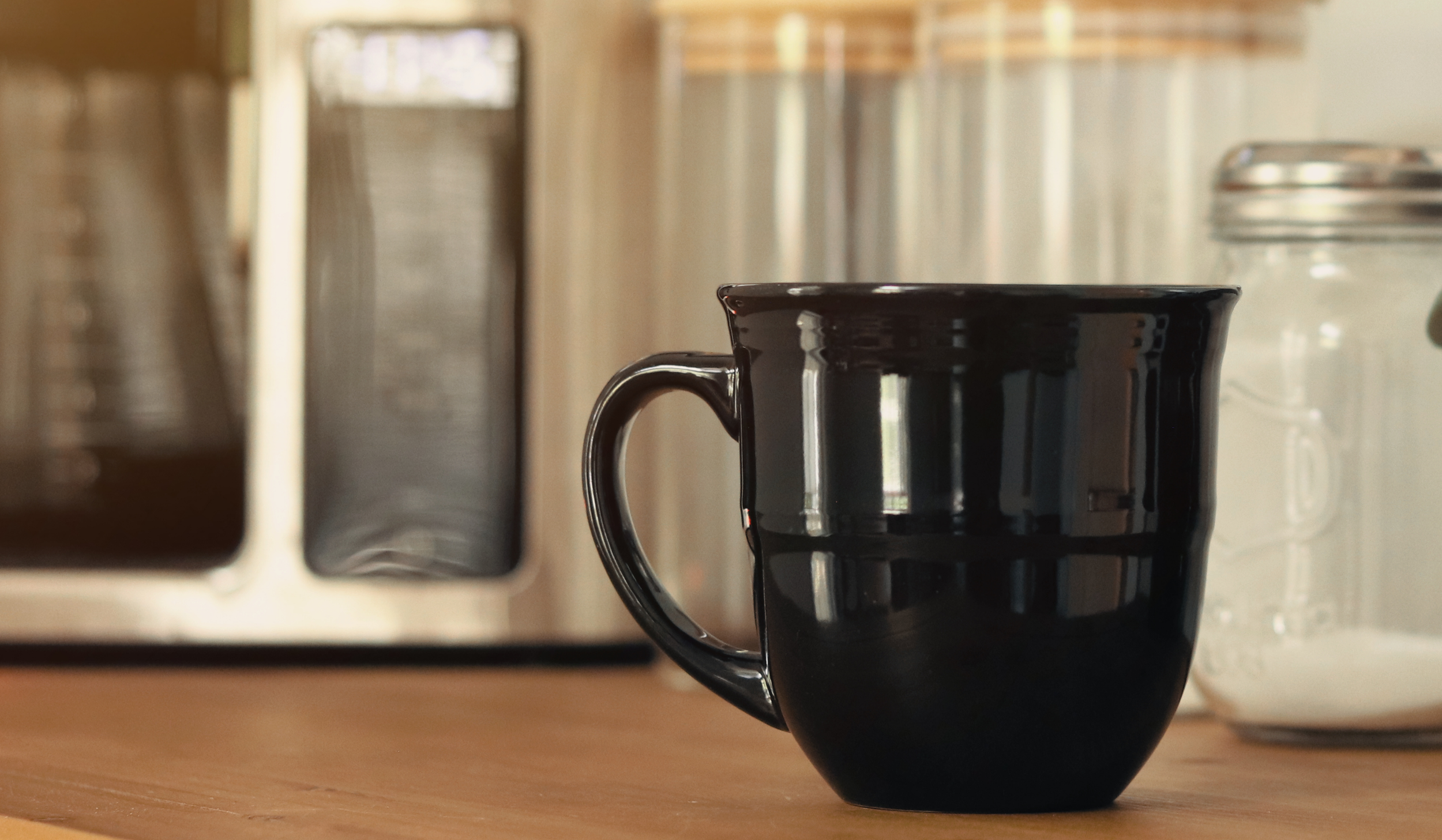
Picture this: you walk to your beautifully styled coffee bar, ready to make your morning cup. ☕
You start the coffee maker, then realize you need a creamer. So you walk all the way back into the kitchen, open the fridge, grab the creamer, and walk all the way back to actually finish making your coffee.
That's not a coffee station. That's an extra chore.
I call this one of the most common coffee bar design mistakes I see over and over: a beautiful setup with zero thought given to how it actually functions. Here's why skipping a mini fridge for your coffee bar location undoes the entire point of having a coffee bar, and what to do instead.
Why This Coffee Bar Design Mistake Happens
Coffee bar design is usually treated as an extension of the kitchen, not a fully independent station.
Homeowners focus on the styling first. Open shelving. Pretty tile. Mugs displayed like they're art. The fridge gets left out because it feels like "one more expensive appliance" rather than a necessity.
But good coffee bar design starts with function. Styling comes second.
The problem is that nobody thinks through this until they're actually living with it. By then, you're taking those extra trips every single morning, and the coffee bar design that looked so good on Instagram is just creating frustration.
📖 RELATED: Coffee bar location placement is just one of many overlooked details. Read Kitchen Renovation Reality Check: 5 Details Homeowners Always Overlook to discover other design decisions that seem small until you're living with them daily.
Why It Doesn't Work Without a Beverage Fridge
Here's my exact point: you walk to the coffee bar, then walk all the way back into the kitchen for creamer, then walk all the way back again to actually serve your coffee.
Unless you drink your coffee black (props if you do, I would never), a coffee bar without cold storage nearby just isn't functional.
The whole purpose of a dedicated coffee bar set up is to consolidate your morning routine into one stop. Not create more back-and-forth than you had before. This is one of the most common coffee bar design mistakes precisely because it's invisible until you're actually living with it. You plan it around how it looks, not how you'll move through it.
The Fix: Design with a Mini Fridge or Skip It Entirely
My blunt take? Either design a coffee bar with a beverage fridge or just scrap the whole idea.
A mini fridge for coffee bar essentials completely changes the game. Compact 24-inch undercounter fridges work beautifully. Drawer-style refrigeration is another option. Some people go with a small countertop model depending on space. The key is that it lives directly beside or beneath your coffee bar location, within arm's reach of where you're making coffee.
Where you position your fridge and your coffee bar setup matters just as much as the fridge itself. They need to exist together so nothing requires an extra trip. You're creating a small ecosystem, not tacking an appliance onto a display shelf.
If a full fridge isn't possible because of space or budget constraints, honestly reconsider whether a separate coffee bar makes sense in that spot at all. The space might be better used for open storage that doesn't require refrigeration, or just keep everything centralized in your kitchen instead.
Other Functional Coffee Bar Set Up Basics
Beyond the fridge, good coffee bar design thinking looks like this.
Map your outlets first. Where are your appliances going to live? Figure that out before you commit to the location.
Storage for filters, mugs, and syrups needs to be directly at the station, not scattered around.
Proximity to a water source matters too, if possible.
Basically, treat your coffee bar setup like it's its own small kitchen. Not an afterthought tacked onto the main one.
📖 RELATED: Designing a dedicated station isn't unique to coffee bars. Read How to Design a Baker's Kitchen: The Features Every Home Baker Actually Needs to see how the same function-first thinking applies to other kitchen zones. Outlets, storage placement, appliance positioning—these interior design trends of prioritizing how a space performs show up everywhere when you're designing intentionally.
This kind of function-first thinking is showing up more in interior design trends right now. Homeowners are prioritizing how a space performs over how it photographs. Coffee bars included.
The Bottom Line: Function Saves Steps
I'm not wrong about this one. 😉
Good coffee bar design is supposed to save you steps, not add them. If your coffee bar location plan doesn't include a mini fridge for coffee bar essentials, you're basically designing a pretty display shelf that still requires a full trip into the kitchen every single morning.
So either commit to the beverage fridge and make the coffee bar setup actually functional, or skip the separate coffee bar design entirely and keep everything centralized in your kitchen instead.
Your Next FREE Step: Think Function Before You Pick Finishes
A beautiful coffee bar design only matters if it works for how you actually live.
This free guide walks through the 7 renovation mistakes that happen before you even pick finishes or plan your coffee bar location. Learn why layout decisions come first, how to design for the way you actually move through your space, and how to make choices that serve your real life instead of just looking good.
⚡ Grab the FREE guide here→ Before You Renovate: Every Homeowner Should Know the Top 7 Mistakes to Avoid

About Taylor Ferrell: Central Coast Kitchen Designer
Taylor Ferrell is the designer behind SALT Design Co., specializing in kitchen + bath design and full-home renovation for people who want spaces that work beautifully in real life. She believes good coffee bar design, like all good design, comes down to function first. If you're planning your space and want to talk through what actually works, book a 30-minute Zoom with her anytime.